
What Rugby Teaches Us About Injury Prevention for Active Bodies
Insights from Physiotherapist Olivia Withers
Whether you follow rugby or not, Hong Kong's active community has a lot to learn from how elite players approach their bodies. From weekend hikers to gym regulars, the principles that keep rugby players on the field are surprisingly relevant to anyone who wants to stay active and injury-free.
Injury Prevention Isn't Just for When You're in Pain
From her experience working in elite rugby environments, Physiotherapist Liv Withers notes that one of the most underestimated aspects of injury prevention is consistency.
“Ankle sprains are one of the most common injuries we see in rugby, and although someone may return to play within weeks, the risk of re-injury can last up to 12 months,” says Liv. Continuing rehabilitation exercises, even when pain has improved, is really important.
Continuing targeted exercises, even for 10–15 minutes as part of a routine, may help support long-term joint stability and movement control.

Load Management: Avoiding the “0 to 100” Trap
Elite rugby teams closely monitor training load to reduce injury risk and maintain performance across a season. This includes gradually building intensity, planning deload periods, and avoiding sudden spikes in physical demand: “Elite teams don't just look at one training session—they monitor weekly load and avoid sudden spikes in intensity. The same philosophy applies to everyday athletes: gradual progression helps reduce the risk of overload and injury,” says Liv.
This principle is just as important for recreational athletes. Suddenly increasing training volume after a break—whether returning to the gym, running, or sports—can place excessive stress on muscles, tendons, and joints.
A more sustainable approach is to:
• Gradually build weekly training load
• Avoid sudden increases in intensity
• Allow adequate recovery between sessions
This helps the body adapt more safely to increased activity demands.
Joint Stability and Movement Control
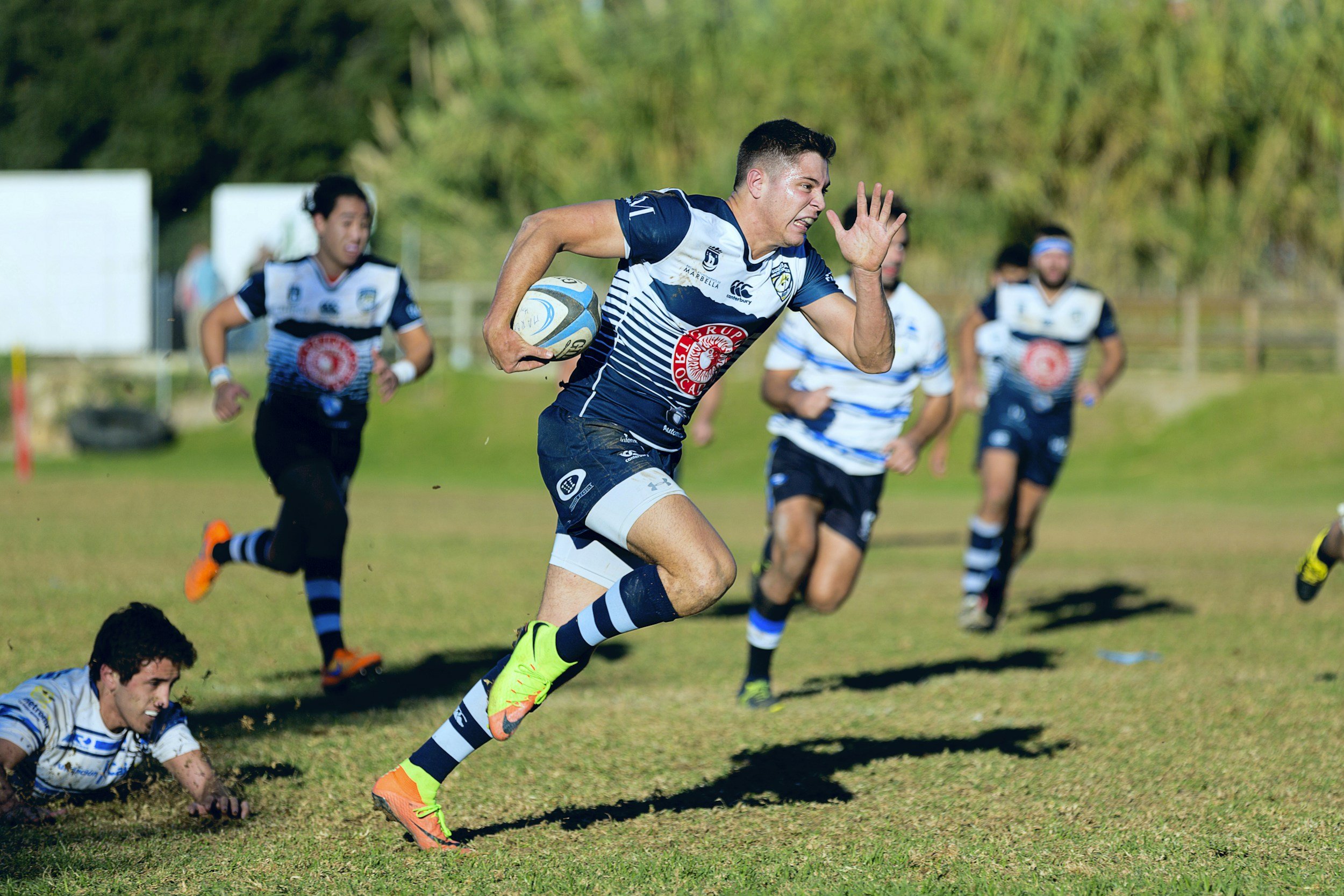
Rugby places high demands on the ankles, knees, shoulders, and hips — joints that are also commonly stressed in many other sports and activities.
While strength is important, Liv emphasises that movement control and proprioception (balance and body awareness) are equally essential. These systems involve coordination between the eyes, inner ear, and sensory feedback from the body.
Exercises that combine strength, balance, and coordination may help support joint stability and reduce injury risk during dynamic movements.
The Importance of Deceleration and Change of Direction
In rugby, athletes must frequently accelerate, decelerate, and change direction quickly. These movements require strong muscles and stable joints to manage load safely.
This concept applies beyond rugby. Activities such as running, court sports, hiking, and gym training all involve forces that the body must absorb and control. Improving strength around the hips and knees, alongside controlled movement training, may help the body better tolerate these demands.
Recovery Is Part of Performance
Recovery is a key component of injury prevention in high-performance sport. Rather than being an afterthought, it is integrated into training plans. Key recovery principles include:
• Adequate sleep
• Proper nutrition (including sufficient protein intake)
• Hydration
• Stress management
• Rest between intense sessions
For everyday active individuals, prioritising these habits can make a meaningful difference in how the body responds to training and activity.
Common Injury Patterns in Active Individuals
A frequent pattern seen in physiotherapy is individuals returning to activity too quickly after a period of rest. Going from minimal activity to high intensity within a short time frame can increase the likelihood of overload-related issues such as tendon pain, muscle strains, or joint irritation.
Gradual progression and pacing are key to supporting long-term movement health.

Bringing Elite Sports Principles into Everyday Physiotherapy
Although not everyone is a professional athlete, the foundational principles of rehabilitation remain similar. Strengthening muscles, improving movement control, and managing training load are relevant whether someone is a competitive athlete, a weekend warrior, or simply trying to stay active.
At The Physio Lab, these principles are adapted into personalised physiotherapy plans based on each individual's activity level, goals, and current condition.
Final Advice: Don't Ignore the “Niggles”
One of the most important injury-prevention messages is to address small concerns early. Minor discomfort or recurring tightness may be an early sign that the body is under strain. Seeking professional assessment early may help guide appropriate management and prevent minor issues from progressing.
Supporting a Return to the Activities You Enjoy
Being active supports not only physical health, but also mental well-being.
A structured and individualised approach to preparation, recovery, and rehabilitation can help people stay active in a way that feels sustainable and appropriate for their needs.
This article is for general educational purposes only and does not replace personalised medical or physiotherapy advice. If you are experiencing pain or injury concerns, consider consulting a qualified physiotherapist for an individual assessment.

About Liv Withers
Liv is a UK-trained physiotherapist with over ten years of experience working in elite sport, including an extensive background working with international rugby teams. She has a special interest in sporting injuries and post-operative rehabilitation.
Drawing on her experience in high-performance rugby environments, Liv combines principles from strength and conditioning, Pilates, dry needling, manual therapy, and taping to create individualised treatment plans. Her goal is always to support patients in returning to what they love, safely and confidently. To work with Liv, schedule an appointment with here.
At The Physio Lab, our physiotherapists use evidence-based techniques and personalised care to support injury prevention and long-term well-being. If you'd like to find out how physiotherapy can help you stay active, get in touch with our team at info@thephysiolab.com or via WhatsApp at +852 5205 9770.